

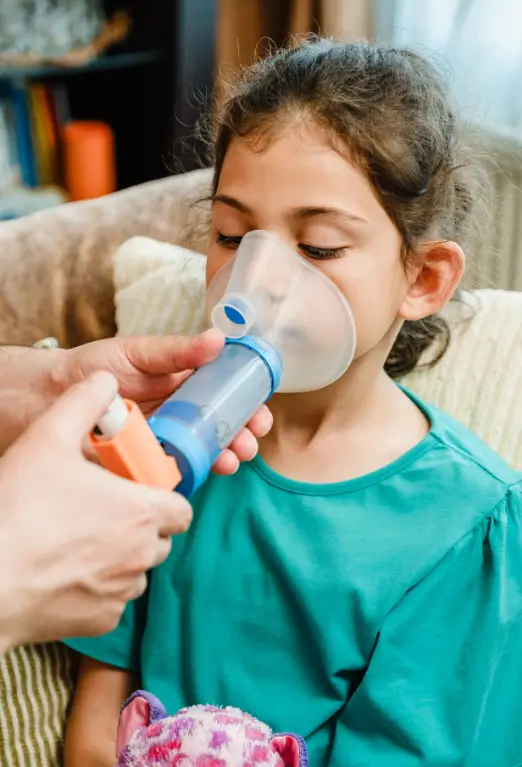
Asthma does not affect everyone in the same way. Our doctors take time to understand your symptoms, their frequency and severity, previous medical history, family history, lifestyle, and possible triggers.
Following a detailed consultation, homeopathic care may be recommended according to the individual patient's symptoms and overall health needs.
Recognizing your personal triggers can be an important part of asthma management. Common triggers may include dust, pollen, smoke, air pollution, respiratory infections, cold air, strong fragrances, and physical activity.
Our consultation considers your broader health, lifestyle, environmental exposure, and recurring health concerns rather than focusing on a single symptom.
Regular follow-up consultations help review changes in symptoms, discuss trigger exposure, and determine whether further medical evaluation or changes in care are needed.
We believe patients should understand their condition. Our doctors explain asthma, common triggers, precautions, and the importance of following an appropriate asthma-management plan.







Common allergens associated with asthma symptoms include: House dust mites, Pollen, Mold, Pet dander, Animal fur
Viral respiratory infections can trigger asthma symptoms in some people.
Tobacco smoke, second-hand smoke, air pollution, fumes, and workplace irritants can worsen asthma symptoms.
Cold air and sudden weather changes may trigger symptoms in some individuals.
Exercise can trigger asthma symptoms in some people, particularly when exercising in cold or dry conditions.
Asthma is more common among people who have close family members with asthma. Having other allergic conditions, such as eczema or allergic rhinitis, may also increase the risk.
Try to identify and minimize exposure to dust, smoke, pollen, pollution, or other known personal triggers.
Smoking and second-hand smoke can negatively affect respiratory health.
Regular cleaning and reducing dust accumulation can be helpful for people who are sensitive to household allergens.
People diagnosed with asthma should follow the treatment plan provided by their healthcare professional and use prescribed medicines as directed.
Pay attention to increasing cough, wheezing, breathlessness, night-time symptoms, or reduced ability to perform normal activities.